Why Ant Infestations Keep Returning Without Professional Treatment
To prevent ant infestations from returning, local contractors use professional treatments that eliminate colonies and address hidden entry points effectively.
Many property owners find themselves puzzled by persistent ant infestations that keep returning despite repeated efforts to eliminate them. This common issue often stems from underlying factors that DIY methods may overlook, such as hidden nest sites or access points that are difficult to identify without professional expertise. Understanding why ant infestations keep returning without professional treatment can help homeowners and property managers take more effective steps toward long-term control. Local contractors specializing in ant infestation control are equipped to identify these hidden sources and implement targeted solutions, making them a valuable resource for those seeking lasting relief.
Exploring this topic is especially relevant for property owners who want to understand the root causes of recurring ant problems and how professional services can address them. Many local service providers offer comprehensive ant control solutions designed to break the cycle of re-infestation. By learning about the common reasons behind persistent ant issues, property owners can make informed decisions and connect with experienced professionals who can help manage and prevent future invasions. Keep reading to discover practical insights and how local experts can support effective ant management.
- Ant Nest Removal - when persistent colonies are found deep within walls or underground, local contractors use targeted methods to eliminate the source and prevent reinfestation.
- Barrier Treatment - if ants keep returning despite surface cleaning, local pros apply residual treatments around entry points and foundation to create a lasting barrier.
- Infestation Inspection - ongoing ant issues may require thorough inspections by local service providers to identify hidden nests and access routes that are often overlooked.
- Sanitation and Habitat Reduction - when ant infestations persist due to attractants like food debris or moisture, local contractors recommend habitat modifications to discourage future activity.
- Preventive Pest Control - recurring ant problems often stem from untreated sources; local pros develop ongoing prevention plans tailored to the property to keep ants from returning.
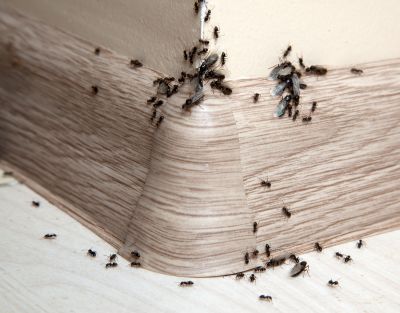
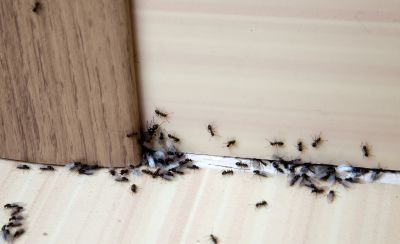
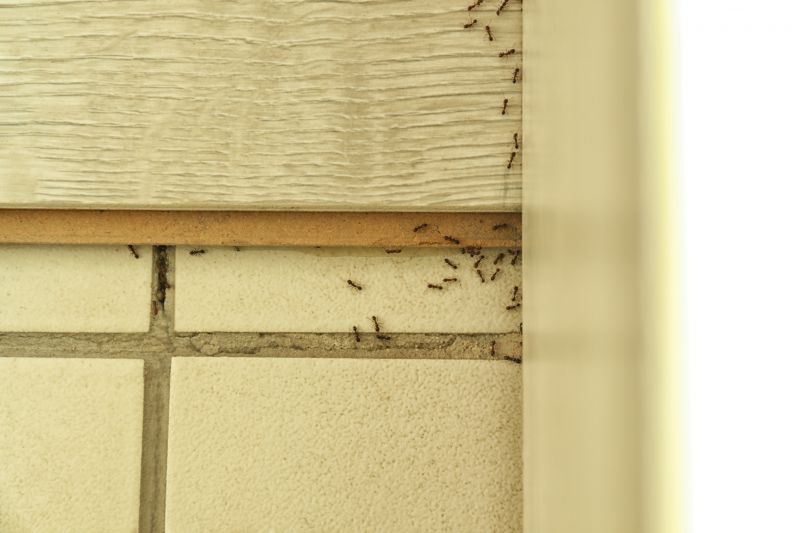
When people search for why ant infestations keep returning without professional treatment, they are often trying to understand why ants seem to reappear even after efforts to eliminate them. This concern typically arises when homeowners notice recurring ant trails or new colonies emerging despite using over-the-counter baits or sprays. The underlying issues relate to the fact that ant colonies are complex and resilient, often hidden deep within structures or outdoors. Homeowners may be frustrated because their DIY measures seem to provide only temporary relief, prompting questions about the root causes of persistent infestations and whether professional intervention is necessary to truly resolve the problem.
This topic is closely connected to problems involving ongoing pest control plans and property maintenance. Many homeowners are concerned with preventing ants from invading kitchens, bathrooms, or other areas where food and moisture are present. They may have already tried basic deterrents but still face recurring issues. The plans to eliminate ants often involve identifying and removing attractants, sealing entry points, and applying treatments, but without professional assistance, these efforts can fall short. Understanding why ant infestations keep returning without professional treatment helps homeowners see the importance of comprehensive strategies that address the entire colony and its nesting sites, rather than just the visible ants.
The types of properties most often affected by persistent ant problems include residential homes, especially those with yards, gardens, or cracks in foundations that provide easy access. Homes with cluttered basements or poorly sealed entry points are also common targets for ant invasions. In addition, properties with moisture issues, such as leaky pipes or damp areas, tend to attract ants seeking water sources. Commercial properties like restaurants or food storage facilities can experience similar challenges, where ants are drawn to food residues and moisture. Local contractors specializing in ant control can evaluate these environments, identify nesting sites, and implement targeted treatments to break the cycle of recurring infestations.
Understanding why ant infestations keep returning without professional treatment highlights the importance of addressing the entire colony rather than just surface-level issues. Ant colonies can extend deep underground or within wall voids, making DIY methods insufficient for complete eradication. Local service providers skilled in ant control can conduct thorough inspections, locate hidden nests, and apply treatments that disrupt the colony’s reproductive cycle. Engaging with experienced professionals ensures that efforts are not only focused on immediate ant sightings but also on eliminating the root causes of persistent infestations. This comprehensive approach is essential for achieving long-term relief from ants and preventing future invasions.
Pest Inspection Projects - These projects involve thorough inspections to identify hidden ant nests and entry points, helping to address why ant infestations keep returning without professional treatment.
Home Sealing and Repair Projects - Local contractors specializing in sealing cracks and repairing entry points can prevent ants from re-entering, reducing the likelihood of recurring infestations.
Sanitation and Cleaning Projects - Proper sanitation projects focus on eliminating food sources and debris that attract ants, supporting efforts to prevent their return without professional pest control.
Landscaping and Exterior Maintenance Projects - These projects include managing vegetation and removing outdoor attractants, which can be crucial in addressing why ant infestations keep returning without professional treatment.
Baiting and Barrier Installation Projects - Installing physical barriers or bait stations can help local service providers control ant movement and prevent re-infestation over time.
Moisture Control Projects - Addressing excess moisture around a property through drainage or repair projects can eliminate conditions that promote ant nesting, reducing their return without professional treatment.

When evaluating potential service providers for ant infestation control, it is important to consider their experience with similar projects. Homeowners should seek out local contractors who have a proven track record of effectively managing ant problems, especially those related to persistent infestations that keep returning. An experienced professional will understand the common reasons why ant infestations recur, such as hidden nesting sites or access points, and can tailor their approach accordingly. This familiarity can lead to more thorough treatments that address the root causes, rather than just surface issues, reducing the likelihood of ants returning after treatment.
Clear written expectations are essential when comparing local pros for ant control services. Homeowners should look for providers who can clearly outline what their treatment plan involves, including any follow-up steps or recommendations for ongoing prevention. Transparent communication about what the service includes helps ensure there are no misunderstandings and that both parties are aligned on the scope of work. Establishing these expectations upfront can also make it easier to assess whether a contractor’s approach is comprehensive enough to prevent ants from returning repeatedly.
Reputable references and good communication are key factors in choosing the right local contractor for ant infestation control. Service providers with positive references from past clients often demonstrate reliability and effectiveness in handling complex ant problems. Additionally, a contractor’s ability to communicate clearly and promptly about their methods, findings, and recommendations can help homeowners feel more confident in the treatment process. Good communication ensures that homeowners understand the steps being taken, the reasons behind them, and any additional measures needed to keep ants from coming back, ultimately leading to a more successful and lasting solution.
Property owners often search for why ant infestations keep returning without professional treatment when they are planning practical projects around their homes and businesses. Local pros provide Ant Infestation Control services for everyday jobs and straightforward project options.
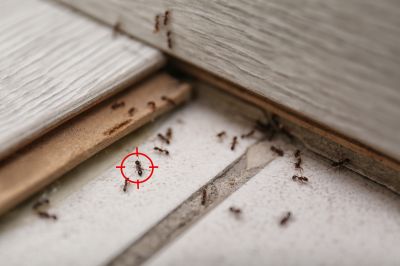
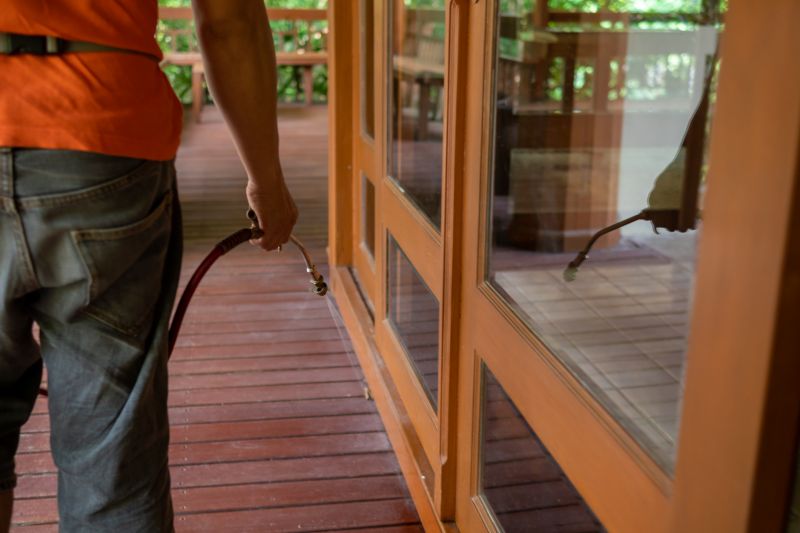
Ant infestations tend to keep returning without professional treatment because ants often find hidden entry points and establish colonies deep within wall voids, foundations, or underground. Simple DIY efforts may temporarily reduce visible ants, but without addressing the root causes-such as cracks, gaps, or food sources-these pests can quickly reappear. Property owners in the area often look up this topic when they notice recurring ant activity despite previous attempts to control them, seeking the expertise of local contractors who understand the common nesting spots and can implement more effective solutions.
Another reason why ant infestations keep returning is because colonies are resilient and can split into multiple nests if disturbed. Without a comprehensive approach that targets the entire colony, including the queen, ants will continue to re-infest the property. Local service providers can evaluate the property to identify ongoing attractants like accessible food or moisture issues, and then apply targeted treatments that help eliminate existing colonies and prevent future re-infestations. This proactive approach is often what property owners consider when exploring ant infestation control options in their area.
Why do ant infestations keep returning even after cleaning? Ant infestations often return because the colony's nest and food sources remain nearby. Local contractors can identify and treat hidden nests to prevent recurring problems.
How does ignoring the root cause contribute to persistent ant problems? Ignoring the source of the infestation allows ants to re-establish after treatment. Professional ant control services target the colony itself, reducing the chance of return.
Can structural issues or entry points lead to ongoing ant infestations? Yes, cracks, gaps, and other entry points can allow ants to re-enter the home. Local service providers can seal these access points to help prevent future invasions.
Why might DIY methods fail to stop ants from returning? DIY solutions often only remove visible ants and do not eliminate the colony or hidden nests. Professional treatments target the entire colony for more effective, long-term control.
How do local ant control services help prevent infestations from returning? Local pros use targeted methods to locate and eliminate colonies and can recommend ongoing prevention strategies, reducing the likelihood of reinfestation.
Identifying Hidden Entry Points - Property owners can work with local contractors to locate and seal small cracks and gaps that ants use to enter buildings, reducing ongoing infestations.
Eliminating Food and Water Sources - Removing accessible food debris and fixing leaks can make the environment less attractive to ants, with local pros providing guidance on sanitation and moisture control.
Implementing Barrier Treatments - Applying exterior barriers around the property creates a physical and chemical defense, which local service providers can professionally install for longer-lasting results.
Addressing Structural and Landscaping Issues - Correcting issues like overgrown vegetation or improperly graded soil can prevent ants from establishing new colonies near the property, with local contractors offering practical solutions.
If you are thinking about why ant infestations keep returning without professional treatment for a property, this guide is meant to help you understand this topic, the typical project types, and how different options might fit your plans.
When you are ready, you can use the quote form on this page to share a few details about your project. From there, local pros can review the basics and follow up with options that match what you have in mind.