How Flies Impact Customer Experience
Commercial fly control aims to reduce fly presence to improve customer experience, and local service providers can implement effective solutions to keep your space fly-free.
Understanding how flies impact customer experience is essential for property owners looking to maintain a welcoming and professional environment. Flies can quickly become a nuisance, potentially deterring visitors or clients and creating a negative impression of the space. For businesses and property managers in the area, addressing fly issues proactively can help ensure that customer interactions remain positive and that the property’s reputation stays intact. Exploring effective fly control strategies provided by local service providers can make a significant difference in maintaining a clean, comfortable atmosphere that encourages positive customer engagement.
Property owners who prioritize their customer experience often find that working with local contractors specializing in commercial fly control offers practical benefits. These professionals understand the specific challenges of managing fly populations in various settings and can implement targeted solutions to keep flies at bay. By connecting with experienced service providers, property owners can reduce the risk of fly-related disruptions, ensuring that their spaces remain inviting and professional. Continuing to explore this topic can reveal valuable insights into how proper fly management supports overall customer satisfaction and helps sustain a positive environment.
- Commercial fly control services are needed when flies begin to disrupt customer interactions and create an unclean impression, with local contractors implementing targeted treatments to reduce fly populations. Food service establishments experiencing fly issues during busy hours often rely on local pros to apply effective fly barriers and sanitation strategies. Retail spaces and outdoor dining areas facing persistent fly presence can benefit from professional fly control solutions that help maintain a welcoming environment. Hospitality venues seeking to improve guest experience may contact local service providers to implement ongoing fly management measures. Industrial or manufacturing facilities encountering fly infestations can work with local contractors to establish ongoing control programs that prevent customer discomfort.

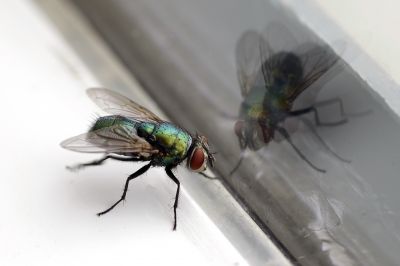
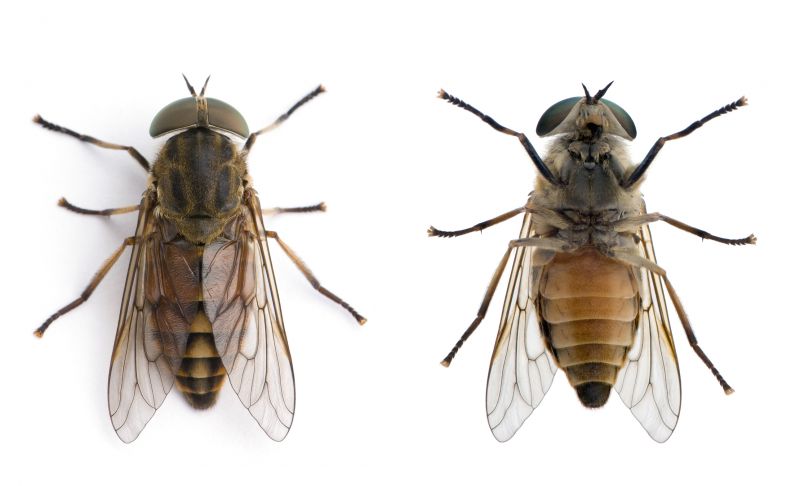
When people search for how flies impact customer experience, they are often concerned about how these pests can influence the overall impression that visitors or clients have of a property. Flies are commonly associated with unsanitary conditions and can create an immediate sense of discomfort or neglect. For businesses such as restaurants, retail stores, or hospitality venues, the presence of flies can lead to negative perceptions, potentially damaging reputation and discouraging repeat visits. Homeowners may also be interested in this topic if they notice flies around outdoor dining areas, kitchens, or entry points, understanding that these pests can make guests feel unwelcome or uneasy. Essentially, the focus is on how fly infestations can diminish the perceived cleanliness, professionalism, or comfort of a property.
This concern relates to problems like pest control failures, hygiene issues, and the need for effective property management plans. Flies are often attracted to food waste, standing water, or unclean surfaces, making them a common challenge in both residential and commercial settings. For property owners, the goal is to prevent fly populations from becoming overwhelming or persistent, which can lead to ongoing customer dissatisfaction or health-related concerns. Many plans involve regular sanitation, proper waste management, and targeted pest control measures. When flies become a recurring problem, it can also signal underlying issues with property upkeep or structural vulnerabilities that need addressing to maintain a positive customer experience.
Properties that typically come up in discussions about flies and customer experience include commercial establishments like restaurants, cafes, grocery stores, and food production facilities. These locations are especially sensitive because flies can directly contaminate food and surfaces, creating immediate health and safety risks. Residential properties may also be involved, particularly those with outdoor entertaining spaces, compost bins, or pet areas that attract flies. Additionally, industrial or warehouse facilities where food items are stored or processed often face challenges with fly control. The common thread is that any property where people gather or where food-related activities occur can experience a noticeable impact on customer or guest perceptions if flies are not properly managed.
Local service providers specializing in fly control play a key role in helping property owners address these issues. They offer targeted solutions to reduce fly populations and prevent infestations, which in turn helps maintain a clean and welcoming environment. These pros can assess the property to identify attractants and vulnerabilities, then implement customized treatment plans that align with the specific needs of each location. For homeowners, connecting with local fly control specialists can mean fewer flies around outdoor spaces and kitchens. For business owners, it can translate into improved sanitation, better customer impressions, and compliance with health standards. Overall, effective fly management by local pros supports a positive customer experience by minimizing pest-related disruptions and maintaining a hygienic, inviting property.
Commercial pest management projects involve strategies to control various pests, including flies, which can significantly affect customer perceptions and satisfaction in hospitality and retail settings.
Facility sanitation and hygiene projects focus on maintaining clean environments, helping to reduce fly attraction points and improve overall customer experience in food service and healthcare facilities.
Outdoor lighting and landscaping projects relate to creating environments that minimize fly breeding grounds, enhancing the cleanliness and appeal of commercial spaces.
Waste management and disposal solutions are essential for preventing fly infestations, directly impacting customer comfort and perceptions of cleanliness in commercial areas.
Building maintenance and sealing projects help eliminate entry points for flies, ensuring a more hygienic environment that supports positive customer experiences.
Rodent and pest exclusion services complement fly control efforts by addressing other pest issues, contributing to a comprehensive approach to customer satisfaction in commercial settings.
When evaluating service providers for commercial fly control, it’s important to consider their experience with similar projects. Homeowners should inquire about the types of commercial settings they have worked in and their familiarity with managing fly populations in environments comparable to their own. A contractor with a proven track record handling projects of similar scope and complexity is more likely to understand the unique challenges involved and deliver effective solutions. This experience can also provide reassurance that the service provider is well-versed in addressing how flies impact customer experience, helping to maintain a welcoming and hygienic environment.
Clear written expectations are essential when comparing local contractors for fly control services. Homeowners should seek detailed descriptions of the services included, the methods used, and the expected outcomes. Having a comprehensive contract or proposal helps ensure that both parties share a mutual understanding of the scope of work, reducing the risk of misunderstandings later on. Well-defined expectations also enable homeowners to evaluate whether the service provider’s approach aligns with their needs for minimizing fly issues and maintaining a positive customer experience.
Reputable references and good communication are key factors when choosing a service provider. Homeowners should ask for references from previous clients, especially those with similar commercial environments, to gain insight into the contractor’s reliability and effectiveness. Additionally, a service provider who communicates clearly and promptly can better address questions or concerns, ensuring the project runs smoothly. Effective communication and positive references can help homeowners feel confident that the chosen contractor will deliver quality fly control solutions that support a positive customer experience by reducing fly-related disruptions.
Property owners often search for how flies impact customer experience when they are planning practical projects around their homes and businesses. Local pros provide Commercial Fly Control services for everyday jobs and straightforward project options.

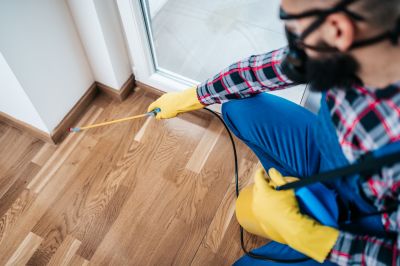
In many everyday project situations, the presence of flies can significantly impact customer experience, especially in commercial settings like restaurants, retail stores, or outdoor event spaces. Flies can become a nuisance that distracts visitors, detracts from the overall atmosphere, and even raises concerns about cleanliness and hygiene. Property owners often look into commercial fly control services to address these issues promptly, ensuring that their spaces remain welcoming and comfortable for customers and clients alike.
Property owners in the area may seek out local contractors who specialize in fly control to prevent infestations and maintain a positive environment. These service providers can implement effective strategies to reduce fly populations, helping businesses avoid the negative impressions that pests can create. By partnering with experienced local pros, property owners can better manage how flies impact customer experience, keeping their spaces inviting and professional.
How do flies affect customer perceptions in commercial spaces? Flies can create a negative impression by suggesting poor hygiene or cleanliness, which may deter customers and impact their overall experience.
What impact do flies have on customer satisfaction and repeat business? The presence of flies can lead to discomfort and dissatisfaction, reducing the likelihood of customers returning and recommending the business to others.
How can professional fly control improve the customer experience? Local service providers can implement effective fly management strategies that minimize fly activity, helping to maintain a clean and welcoming environment for customers.
Why is controlling flies important for maintaining a professional appearance? Flies can undermine the perceived professionalism of a business by highlighting sanitation issues, which can harm the reputation among clients and visitors.
What role do commercial fly control services play in customer retention? These services help ensure a fly-free environment, contributing to a positive customer experience that encourages loyalty and positive word-of-mouth.
Maintain cleanliness and sanitation - keeping food areas and waste disposal sites tidy can reduce fly attraction, making commercial spaces more appealing to customers.
Seal entry points - ensuring doors, windows, and vents are properly sealed helps prevent flies from entering customer-facing areas.
Implement targeted fly control methods - using traps and screens in strategic locations can minimize fly presence where customers gather.
Schedule regular pest management - partnering with local contractors for ongoing fly control services helps sustain a clean and inviting environment for visitors.
If you are thinking about how flies impact customer experience for a property, this guide is meant to help you understand this topic, the typical project types, and how different options might fit your plans.
When you are ready, you can use the quote form on this page to share a few details about your project. From there, local pros can review the basics and follow up with options that match what you have in mind.